

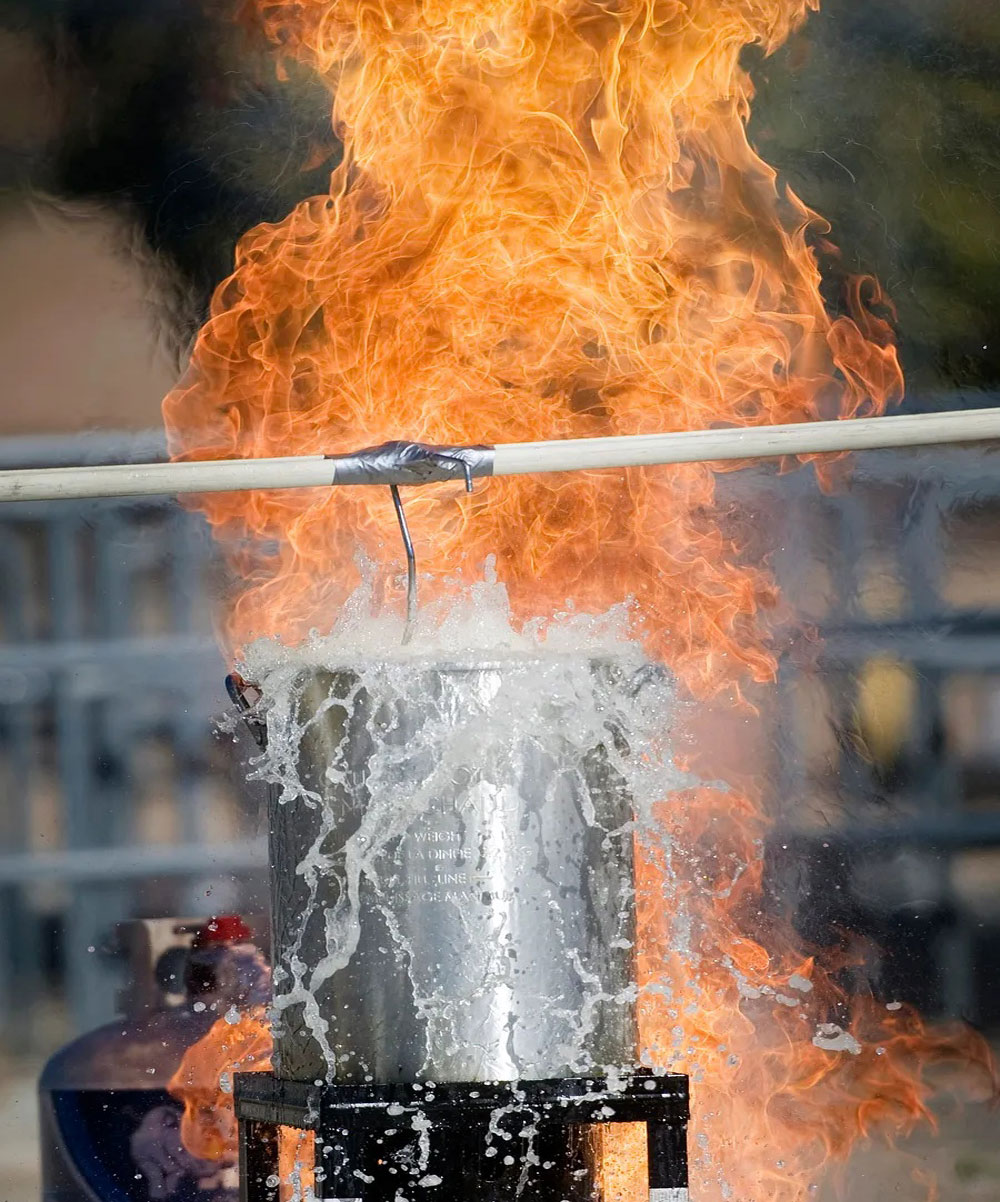

Thanksgiving is a time for family, friends, and good food. For many Texans, deep-frying a turkey has become a holiday tradition, offering a crispy, flavorful alternative to traditional oven roasting. However, what starts as a holiday celebration can quickly turn into a dangerous situation. Turkey fryers, particularly those that use large quantities of hot oil over an open flame, present significant fire and burn hazards when not handled properly. A single mistake can result in serious injuries, extensive property damage, or even a devastating house fire.
According to the National Fire Protection Association (NFPA), cooking is the leading cause of home fires and home fire injuries in the United States. The risk increases significantly during the holidays, with Thanksgiving consistently ranking as the peak day for home cooking fires. The NFPA most recent data indicated approximately 1,160 home cooking fires occurred on Thanksgiving Day. Historical turkey fryer statistics cited by fire safety agencies estimate that these appliances contribute to an annual average of: 5 deaths, 60 injuries and more than $15 million in property damage.
Unlike traditional ovens, outdoor turkey fryers often use propane burners to heat several gallons of cooking oil to extremely high temperatures. When something goes wrong, the combination of hot oil and an open flame can cause a fire to spread rapidly. Below are some tips to keep you safe if you choose to use an outdoor fryer:
- Keep fryers outdoors and away from structures. Never operate one inside a garage, under a patio cover, or near combustible materials.
- Completely thaw and dry the turkey. Water and hot oil are a dangerous combination.
- Avoid overfilling the pot. Follow the manufacturer’s instructions for determining the correct oil level.
- Monitor the oil temperature. Use an appropriate thermometer and never leave the fryer unattended.
- Keep children and pets away. Fryer surfaces and cooking oil can remain dangerously hot long after the burner is turned off.
- Never use water on a grease fire. If a fire occurs, move to safety and call 911. Do not attempt to move a burning fryer.
A turkey fryer fire can cause much more than damage to the immediate cooking area. Depending on the severity of the incident, flames, smoke, and soot can affect roofing, exterior walls, interior finishes, insulation, and HVAC systems. Even after the fire is extinguished, lingering smoke odors, soot contamination, and water damage from firefighting efforts may require professional restoration.
At The Gerloff Company, we have spent more than 40 years helping Texans recover from unexpected property damage. From emergency fire mitigation and smoke and soot cleanup to odor removal, contents restoration, and reconstruction, our team understands the importance of responding quickly when disaster strikes.
A little preparation, proper equipment, and an understanding of the hazards can help prevent a holiday tradition from becoming a costly disaster. Until next time my friends, be prepared and stay safe.
From all of us at The Gerloff Company, we wish you a safe and happy Thanksgiving!
Reference: National Fire Protection Association (NFPA) — Thanksgiving cooking fire statistics and fire prevention recommendations and U.S. Fire Administration (FEMA) — National cooking fire statistics and prevention guidance.


